
- Profesor: Spencer Adams
- Profesor: Spencer Adams
- Profesor: Sonja Dümpelmann
- Profesor: Pooja Nayak
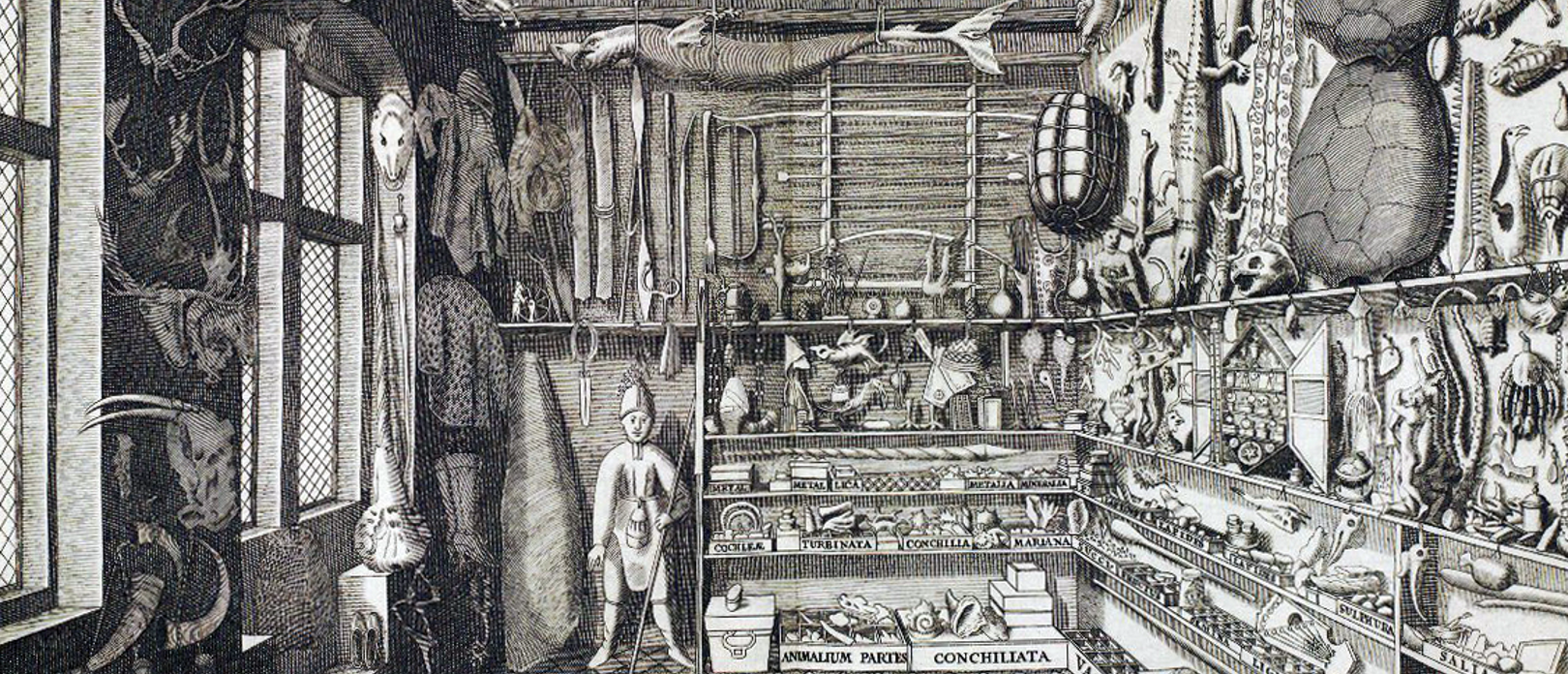
Much knowledge about human
and more-than-human worlds has
relied on collecting, classifying, and conserving specimens and artifacts.
Besides forming large repositories, these are also exhibited in different
institutional and non-institutional contexts. For this purpose, specimens and
artifacts often become subject to various curatorial practices, and entire in
and outdoor spaces have been designed to exhibit them. This seminar course will
explore the practices and politics of collecting, classifying, conserving, and
curating from contemporary and historic perspectives. What have these practices
meant in the past, and what do they mean today? What purposes do humans pursue
through these practices? What have been and what are their political
implications? What does it mean to decolonize these practices, the collections
they build upon, and the sites they create? We will be asking these and related
questions, hear from several curators about their work, and we will visit some
collections in Munich.
- Profesor: Sonja Dümpelmann
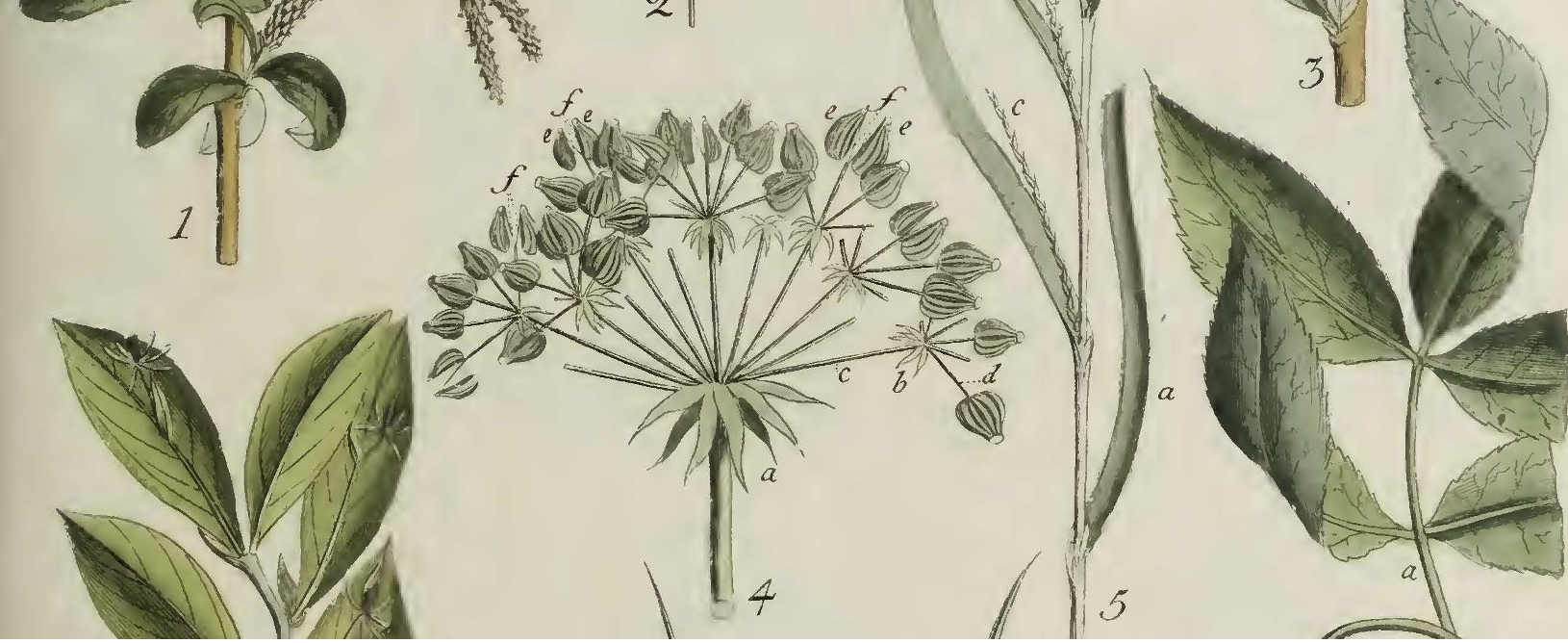
Plants
sustain life on earth in a variety of ways. In myriad forms, shapes,
colors, and sizes they are a fundamental component of most landscapes and built
environments, regardless of how much or how little these landscapes are
impacted and shaped by human hands. However, despite plants’ fundamental roles for human survival
on earth, they have often been overlooked or neglected. Today’s concerns about
global warming, climate justice, as well as social and environmental justice
more generally show that it is high time to reconsider plants’ manifold
values and agencies. “Critical plant studies” and the “plant humanities” are
two recently constituted fields pursuing this objective, assembling scholarship
that draws attention to the importance of plants in human life worlds. In this course
we will address what has been called “plant blindness” by studying plant
histories and histories and stories that have centered plants; by
exploring the strengths and weaknesses often associated with plants, and
by shedding light on how politics have guided plant use for benign and
malevolent purposes. Lectures, seminar discussions, field trips, and visits to
special plant and book collections will shed light on plants’ uses and
roles in our landscape, environmental, and cultural histories to enlighten the
present and suggest future possibilities of thinking about and with plants.
The course will be accompanied by readings in history and theory; you will work
on a research paper or mixed-media project related to the course content that
will be presented in class.
- Profesor: Sonja Dümpelmann

- Profesor: Sonja Dümpelmann
- Profesor: Uwe Lübken
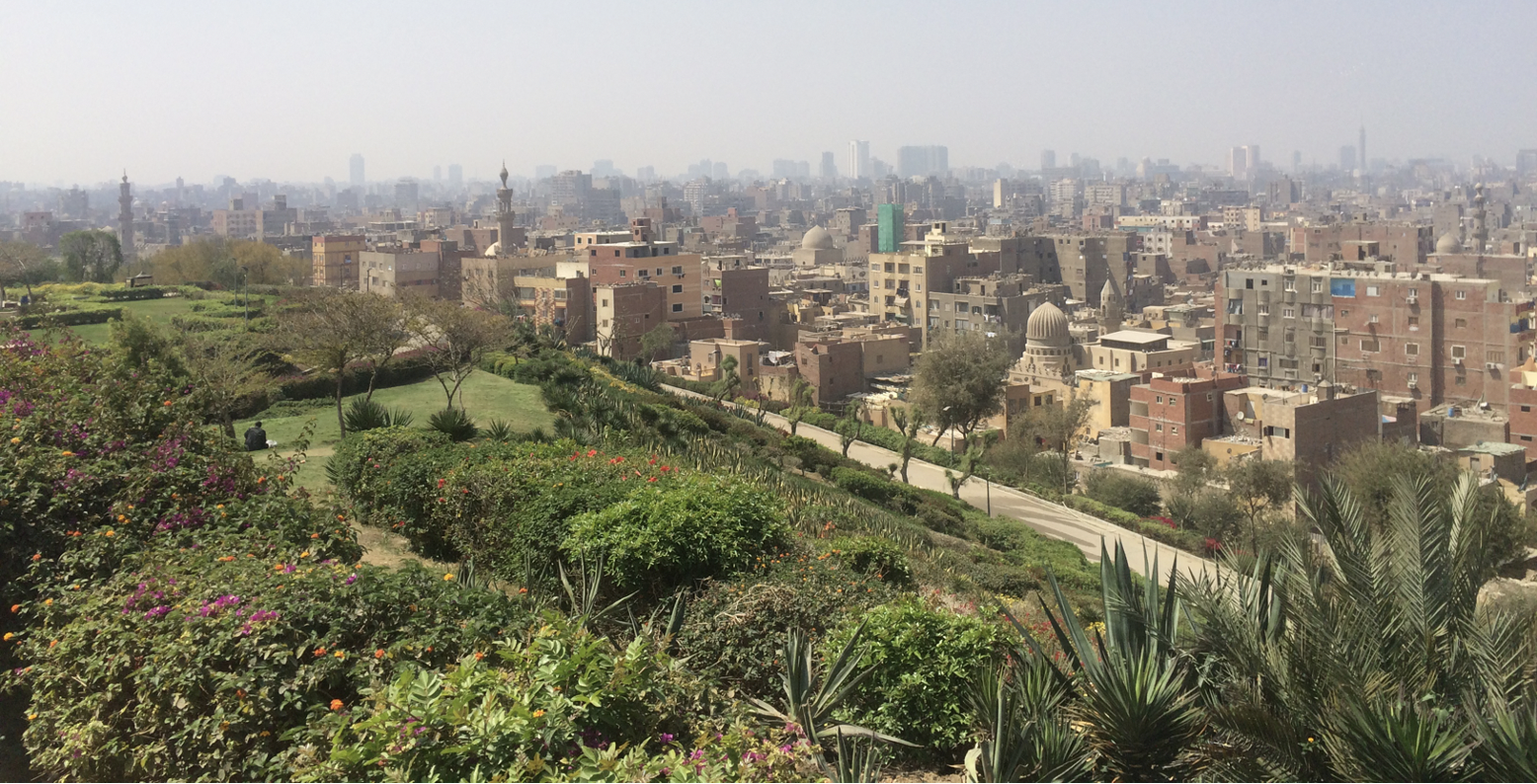
Up until the late nineteenth century, cities and country, the urban and the rural, culture and nature were often considered opposites. In this course, students are introduced to how these dichotomies, along with their refusal, have contributed to shaping the urban environments we inhabit today and will inhabit in the future. How, by and for whom, have urban environments been shaped, designed, and built? The course explores relevant topics, concepts, themes, and sites that help understand different types of urban environments, their development, reception, and representation in different media.
This course is part of a module that consists of two components. The course P 7.1 is accompanied by P 7.2 that consists of local site visits. Students learn about the history of selected urban landscapes in Munich, and about the challenges facing these landscapes today.- Profesor: Sonja Dümpelmann
- Profesor: Spencer Adams
- Profesor: Sonja Dümpelmann
- Profesor: Pooja Nayak
- Profesor: Sonja Dümpelmann
- Profesor: Uwe Lübken
This class looks at the origins, the development and the multiple subfields of disaster studies from a humanities and social-science perspective. Emphasis will be laid upon when, how and why a scholarly interest in (natural) disasters arose, on key analytical terms such as vulnerability and resilience, and on the importance of categories like race, class, gender, and able-bodiedness. We will focus on disaster memory (and the lack thereof), on cultural representations of destructive events, and the economic dimension of catastrophes (risk, insurance, “disaster capitalism”). Finally, we will look at the intersections of climate change and disaster as evidenced for example in processes of displacement and migration. One guiding question of this seminar will be: “How natural are natural disasters?”
Image: Staff of the Disaster Research Center during a flood in Cincinnati, Ohio 1963 (Disaster Research Center, University of Delaware)
- Profesor: Uwe Lübken
This course examines the interaction between humans and the natural environment in Germany in historical, comparative and transnational perspective. We will study urban and national parks, analyze the transformation of landscapes, and look at how natural catastrophes have influenced society, culture and politics. Furthermore, we will discuss the history of environmental movements, the environmental impacts of mobility systems, and the embeddedness of human societies in the more-than-human world.
This seminar is part of a new Munich summer program offered by the Amerika-Institut during the summer term. It is open to LMU students and to students from US partner universities.
- Profesor: Uwe Lübken
- Profesor: Uwe Lübken

- Profesor: Sonja Dümpelmann
- Profesor: Uwe Lübken
- Profesor: Uwe Lübken
- Profesor: Uwe Lübken
- Profesor: Uwe Lübken