
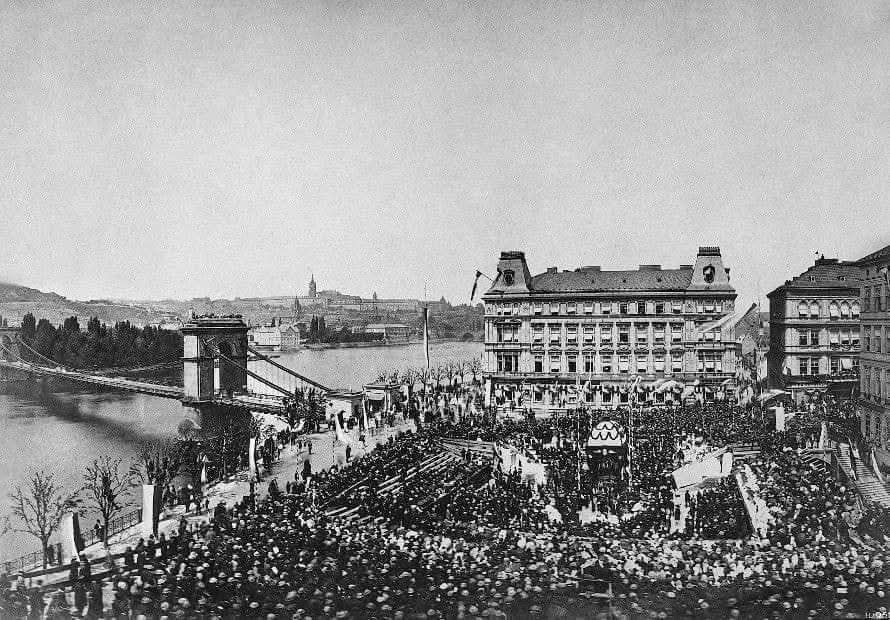
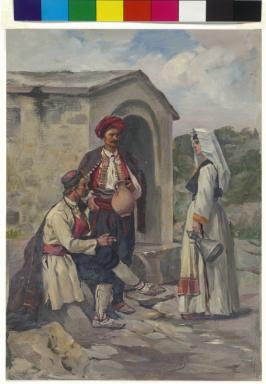
Die Vorlesung führt anhand systematischer Fragestellungen in das Studium der südosteuropäischen Geschichte im „langen 19. Jahrhundert“ ein. Dabei stehen zum einen die Besonderheiten dieses Raumes, zum anderen die verschiedenen Ebenen der Verflechtung mit der europäischen Geschichte im Vordergrund. Besonders berücksichtigt werden transnationale und globalgeschichtliche Ansätze. Unter anderem werden die Folgen der Französischen Revolution, Nationalbewegungen und Nationalstaatsbildungen, Großmächtepolitik und Imperialismus, sozialer Wandel und Globalisierung sowie Themen aus der Religions-, Alltags-, Kultur-, Sozial- und Wirtschaftsgeschichte behandelt.
Der Einschreibeschlüssel wird vor Semesterbeginn per Email verschickt.
- المعلم: Marie-Janine Calic
- المعلم: Marie-Janine Calic
- المعلم: Felix Jeschke
- المعلم: Martin Schulze Wessel
- المعلم: Michel Abeßer
- المعلم: Martin Schulze Wessel
- المعلم: Jonas Von Olberg
- المعلم: Martin Schulze Wessel
- المعلم: Jonas Von Olberg
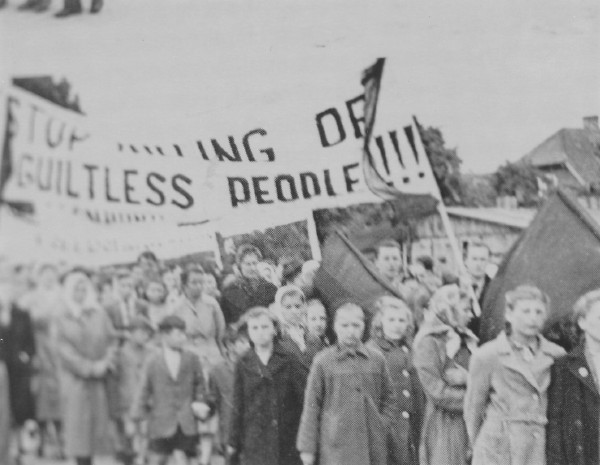
By the end of the Second World War, over 11 million displaced people were living in Germany. They were concentration camp survivors, former forced labourers, prisoners of war, and refugees, later referred to as “Displaced Persons”, or DPs for short. This unprecedented humanitarian crisis required an equally unprecedented international response, including the establishment of the international aid organisations, i.e., the United Nations Relief and Rehabilitation Administration and the International Refugee Organisation, and the introduction of new legislation that laid down fundamental human rights principles. Politics, alongside human rights, played a decisive role in determining the fate of thousands of displaced persons, ranging from their forced repatriation to the Soviet Union to the acceptance of displaced persons (DPs) in countries such as the USA.
During this course, we will examine the political and humanitarian circumstances of this displacement, both from the perspectives of policymakers and executive institutions. Our primary focus, though, will be on the biographies of displaced persons from Eastern Europe, highlighting how these policies changed their lives and the extent of their own agency. We will follow their life trajectories to understand the historical background and decision-making processes, survival strategies, and their navigation between politics, institutional support, and their life choices. As a part of the course you will meet and interview the children of displaced persons, practising oral history methodologies, as well as visit most prominent sites that tell stories of displacement in postwar Munich.
In this course, we will work with primary sources (digitized Arolsen Archives, interviews etc.), learning to search for, contextualize, and analyze them. We will also consider the latest technologies, such as AI, as potential tools for source analysis.
Examination formats in the BA and mod. LA for 3 ECTS: oral presentation; for 6 ECTS: oral presentation + essay / Prüfungsformen im BA und mod. LA: RE (3 ECTS), RE + Essay (6 ECTS)
- المعلم: Mariia Kovalchuk
- المعلم: Johannes Gleixner
- المعلم: Matthias Melcher