- Учитель: Sandra Bandemer
- Учитель: Thareerat Laohabut
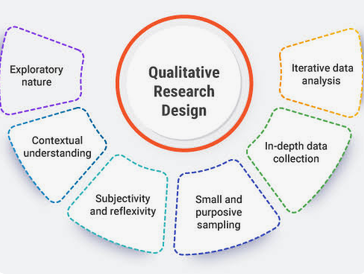
This seminar gives you the tools you need to design and carry out your own empirical research project, an important step on the way to your Bachelor thesis in political science. We approach data analysis with R in a gentle, interactive way and use small, guided tasks to make data preparation and analysis accessible even to beginners. The course is hands-on. Instead of teaching statistical formulas, this seminar aims to spark your curiosity to understand the world by analyzing reliable data.
We will also discuss the advantages and disadvantages of different research designs, so that you know which method can answer your research question. In addition, we address everyday challenges in the research process, from formulating hypotheses to transparent and traceable scientific practices. By the end of the seminar, you will be able to read and produce regression tables and experimental analyses with confidence, critically evaluate different research designs, and apply your skills in a quantitative term paper with R.
This seminar is part of the module WP 5 Spezialisierung Politische Systeme, together with an accompanying Übung.
- Учитель: Alexander Wuttke
- Учитель: Sebastian Schindler
- Учитель: Sebastian Schindler
15112 Putin, Trump and Post-Truth: Understanding the Transformation of Global Order (Tuesday course)
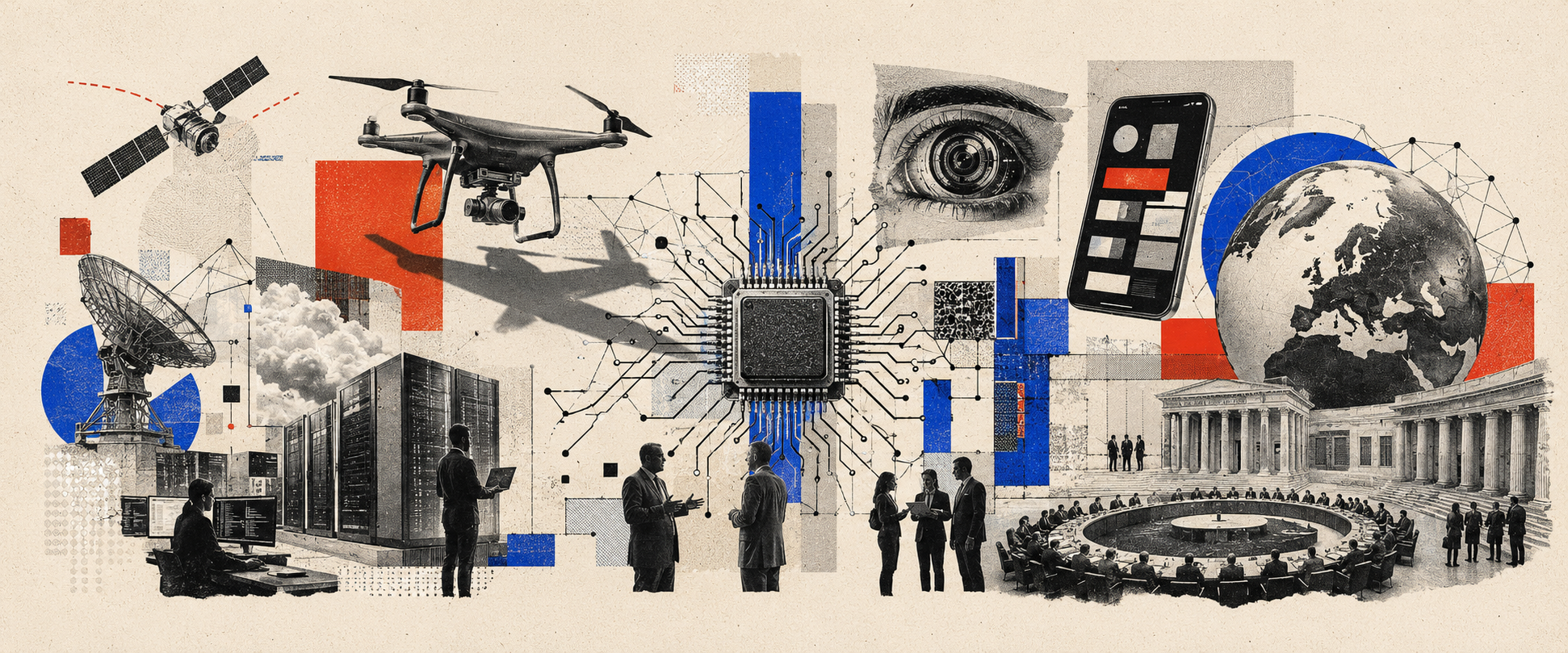
We find ourselves in the midst of a process of the transformation of global order. What was at first understood as a challenge to the liberal international order, then framed as its crisis, is today often referred to as a more fundamental crisis of a rules-based international order. In this course, we will engage with different aspects and interpretations of this transformation: structural, discursive, epistemic, emotional, and cultural. Examples include arguments about the return of neo-royalism, the de-institutionalization of power, non-Western visions of order, post-truth politics and ignorance, masculinity and anti-gender politics. We will read and discuss recent texts drawn mostly but not exclusively from the wide field of critical and interpretive International Relations (IR). The key goal of the course is to provide students with a number of alternative understandings of the current transformation of global order. No matter whether you intend to conduct interpretive or explanatory (positivist) research, the conceptual and empirical understandings that you will gain in this course can be of great service for you as you prepare for the writing of your final theses in the field of IR or elsewhere.
- Учитель: Sebastian Schindler
Die Übung zeichnet Versuche der Begriffsbildung nach, die im 20. Jahrhundert unternommen worden sind, um die historische Transformation des westlichen Staatsmodells unter den Bedingungen des post/modernen Kriegs, organisierter Partikularinteressen, finanzialisierter Militarisierung, zunehmender Expertokratie und permanenter Beschwörungen der nationalen Sicherheit zu beschreiben. Im Fokus der Aufmerksamkeit werden u.a. Harold D. Lasswells Konzept des 'Garnisonsstaates', Jacques Elluls 'Theorie der Propaganda', C. Wright Mills' Vorstellungen von einer Verflechtung und Informalisierung politischer Macht sowie Michel Foucaults Analysen des Zusammenhangs von 'Diskurs, Wissen und Macht' stehen.
Im Sinn einer theoriegeleiteten Interpretation soll nachvollziehbar werden, ob und inwieweit sich im 20./21. Jahrhundert Logiken der Herrschaft bzw. der politischen Organisation durchgesetzt haben, die als Dimensionen eines post/modernen Leviathan und/oder eines Behemoth zu beschreiben sind.
- Учитель: Günther Auth
- Учитель: Irena Kitanovska
- Учитель: Johanna Schmidt-Jevtic
- Учитель: Lorans El Sabee

- Учитель: Sascha Ruppert-Karakas
- Учитель: Oliver Pamp
- Учитель: Amelie Schrenk
- Учитель: Moritz Weiß

Enrollment key: research_design_26_27_ate
- Учитель: Maria Camila Atehortua Cardona

- Учитель: Hannah Frank