
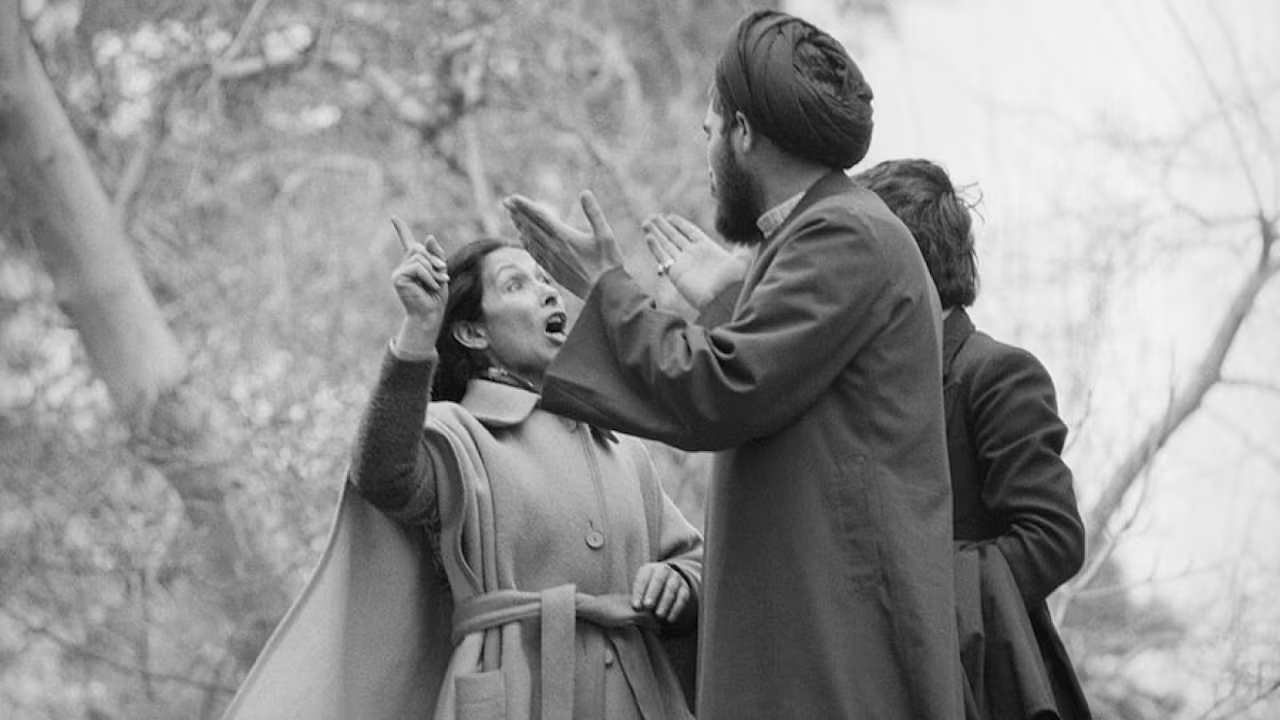
In this course, we explore the history of modern Iran throughout the 20th century—a century marked by two revolutions, two coups d’états, war, resistance and remarkable cultural transformation. Together, we will navigate a timultous historical landscape shaped by pivotal events: the Constitutional Revolution during the Qajar era; the rise of Reza Shah and the establishment of the Pahlavis dynasty; the Allied occupation durning Word War II; the short-lived autonomous government in Iranian Azerbaijan and the question of Centalisation and Persianization; the nationalization of the oil; the British and American orchestrated 1953 coup d’état; the Islamic Revolution of 1979; the eight-year war with Iraq, the emergence of the Green Movement and so on.
To truly comprehend what these events meant to Iranians living through them, we will turn to literature—reading short selections of poetry and prose from the period that give voice to the hopes, fears, frustrations and reflections of Iranian writers and intellectuals.
No prior knowledge of Persian is required. The students are expected to read the assigned texts and follow the discussions in English; however, they are welcome to discuss, write their Klausur, and correspond with me in German.
By the end of the course, students will have gained a grounding in the key moments that shaped modern Iran and a deeper appreciation for how history lives and breathes in literature. This course is designed for students interested in Middle Eastern history, postcolonial politics, literature, and the question of what defines an Iranian nation in contemporary times.
- Викладач: Rahimi Bahmany Leila