- Trainer/in: Günther Auth
Kursbereich: Wissenschaftliches Arbeiten (Übungen)
Inhalt: Einführung in die Grundtechniken des Gestaltens mit dem Material Ton anhand verschiedener zu bearbeitender Aufgaben. Vorbereitung auf das Staatsexamen im Sinne erweiterter Aufgabenstellungen. [...]
Die Epoche der Aufklärung prägte das Kurfürstentum Bayern im 18. Jahrhundert und wirkte weit ins 19. Jahrhundert hinein. Grundlegende Ideen und Reformen ebneten den Weg zu einem modernen Staatswesen, das von Phänomenen wie Industrialisierung, Säkularisierung und Liberalismus geprägt wurde. Galten die süddeutschen Staaten im 18. Jahrhundert lange als rückständig, hat sich das Konzept der Katholischen Aufklärung als ein eigener, wichtiger Beitrag zur Epoche durchgesetzt. Wir betrachten die Zeit zwischen 1750 und 1850 aus unterschiedlichen Perspektiven: Einmal geht es um staatlichen Akteure, das Regieren und Verwalten. Dann nehmen wir Institutionen der Gelehrsamkeit wie die Akademie der Wissenschaften, Universitäten und Klöster, aber auch Medien und Zensur in den Blick. Und schließlich beschäftigen wir uns mit dem Wandel von einer ständischen zur bürgerlichen Gesellschaft. Dabei wird uns besonders die Frage nach der Periodisierung beschäftigen: Markiert die Zeit zwischen 1750 und 1850 auch für Bayern einen Übergang zur „Moderne“? Kann man mit Reinhart Koselleck von einer Sattelzeit sprechen?
Prüfungsformen im BA und modularisierten LA: KL+RE+HA.
Achtung NEU! Prüfungsform im Didaktikfach - Mittelschule und Sonderpädagogik (Studienbeginn ab WS 2015/16): RE + HA
 Di., 18.6.2024, 10:00–12:00 Uhr (GSP 1, M 014)
Einschreibeschlüssel: EJS
Dr. Katrin Bayerle | Münchner Examenstraining
 Freitag, 18.7., 14:00–18:00 Uhr (GSP 1, M 118)
Einschreibeschlüssel: SPB2025
Verantwortlich: studienbuero@jura.uni-muenchen.de
Einschreibeschlüssel: EJS
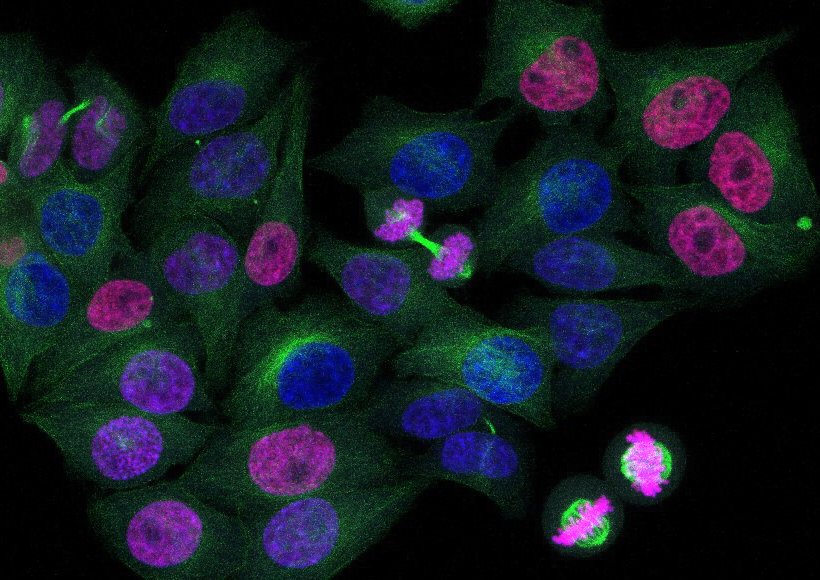
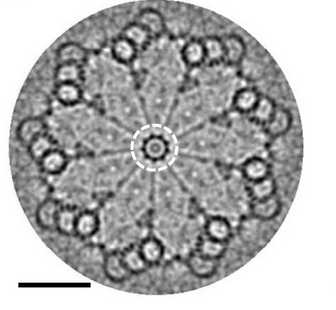
Centrioles/basal bodies are at the heart of many human disorders ranging from cancer to congenital heart diseases and microcephaly. In this seminar, we will explore this fascinating organelle and its molecular functions.
Look carefully, what is wrong with this little kitten? It has an abnormal number of digits. If you want to know why join the seminar. We will explore the molecular basis of different developmental disorders in vertebrates.

Course content: The powerful and often well-known plant-derived drugs interact with molecular and cellular mechanisms in animals, including humans. As an interdisciplinary approach between plant and animal cell biology, it covers, on the one hand, cellular signal transduction mechanisms in animals, concentrating on seven-transmembrane receptors (GPCRs) and ion channels, but also on cancer cell growth. On the other hand, it describes how and why plants produce these secondary metabolites. The interplay between these topics is illustrated by elaboration on prominent plant-derived drugs that constitute potent plant toxins, pharmaceutically used drugs to treat human disease as well as so-called recreational drugs.
Course Content: Research projects related to current questions in plant science are assigned to each participant. The aim is that the students research the topics independently by finding appropriate literature and resource. Then the students’ task is to apply learned techniques to this topic and to propose how to address these scientific questions. Students consult regularly with the instructor. The seminar entails 2 SWS, and requires an approx. 15 minute oral presentation of the proposed research plan to the entire group. In addition, a written proposal has to be submitted.

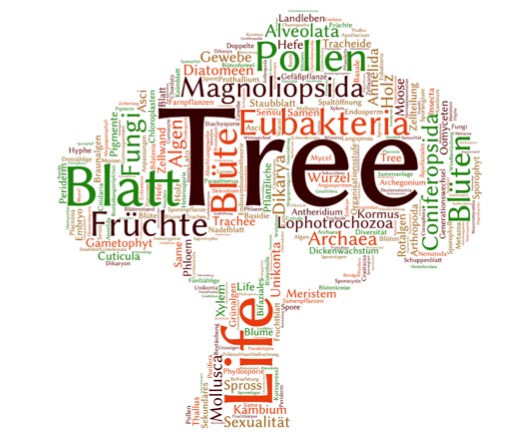
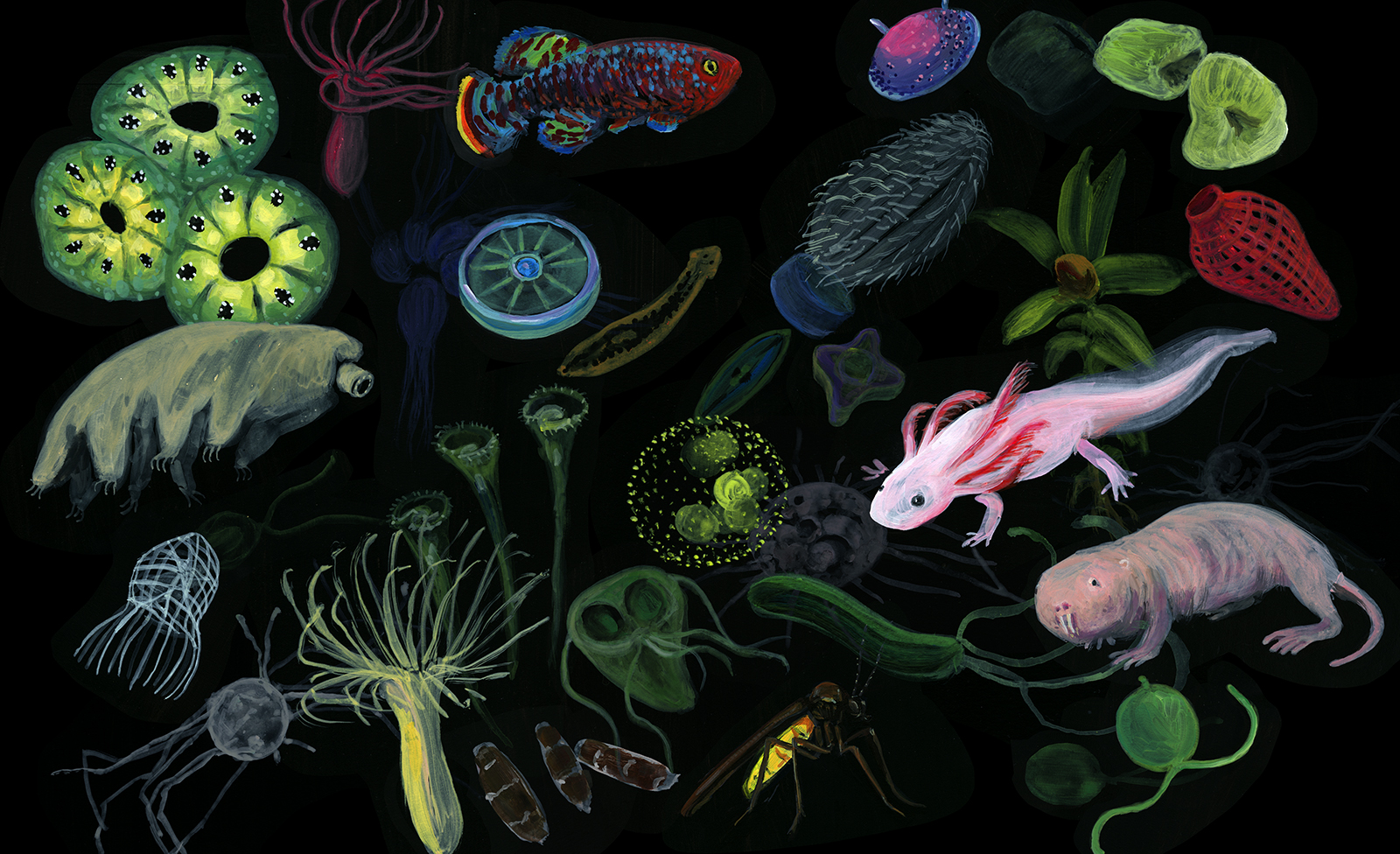
Die Vorlesung Formen- und Artenvielfalt vermittelt einen Eindruck über die komplette organismische Vielfalt und erläutert die Evolution, die zu dieser geführt hat. Organismengruppen, die in der Vorlesung besprochen werden, umfassen diverse Einzeller, Pilze, Pflanzen und Tiere, inklusive einer kurzen Einführung in die Evolution des Menschen. Für die jeweiligen Organismen werden die morphologischen Merkmale besprochen, u.a. die intrazellulären Besonderheiten, der Aufbau der Gewebe und Organe sowie die Individualentwicklung (Ontogenese), und in einen evolutionären Zusammenhang gestellt. Wo angebracht, werden auch Fossilbefunde erläutert. Anhand der vorgestellten Merkmale wird im Rahmen der Phylogenetik die Merkmalsevolution entlang verschiedener evolutionärer Linien rekonstruiert. Dadurch wird ein Gesamtbild der Evolution der Organismen erzeugt, welches als Grundlage für Kurse in den weiteren Semestern dient. Die Vorlesung wird von wechselnden Dozenten abgehalten.
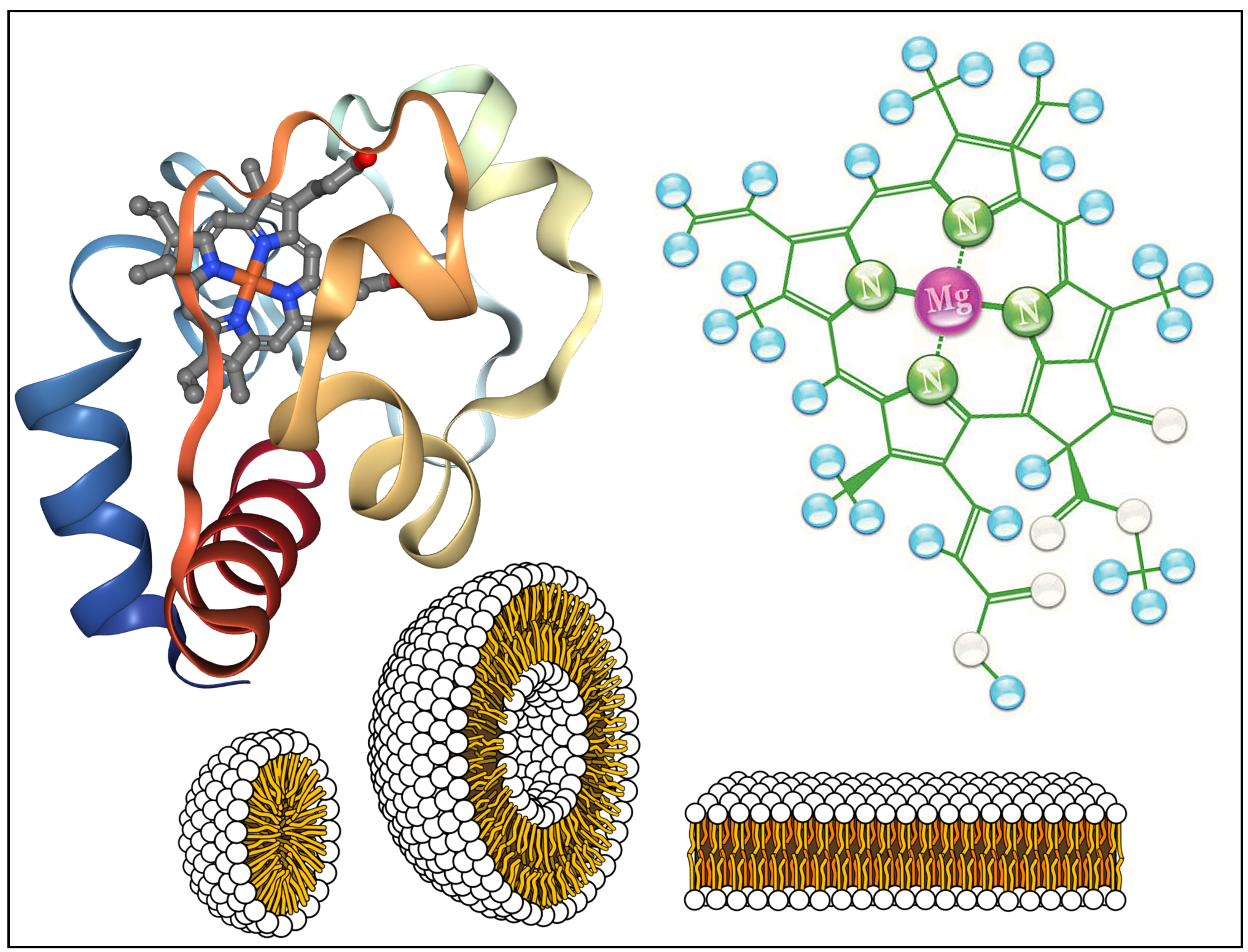
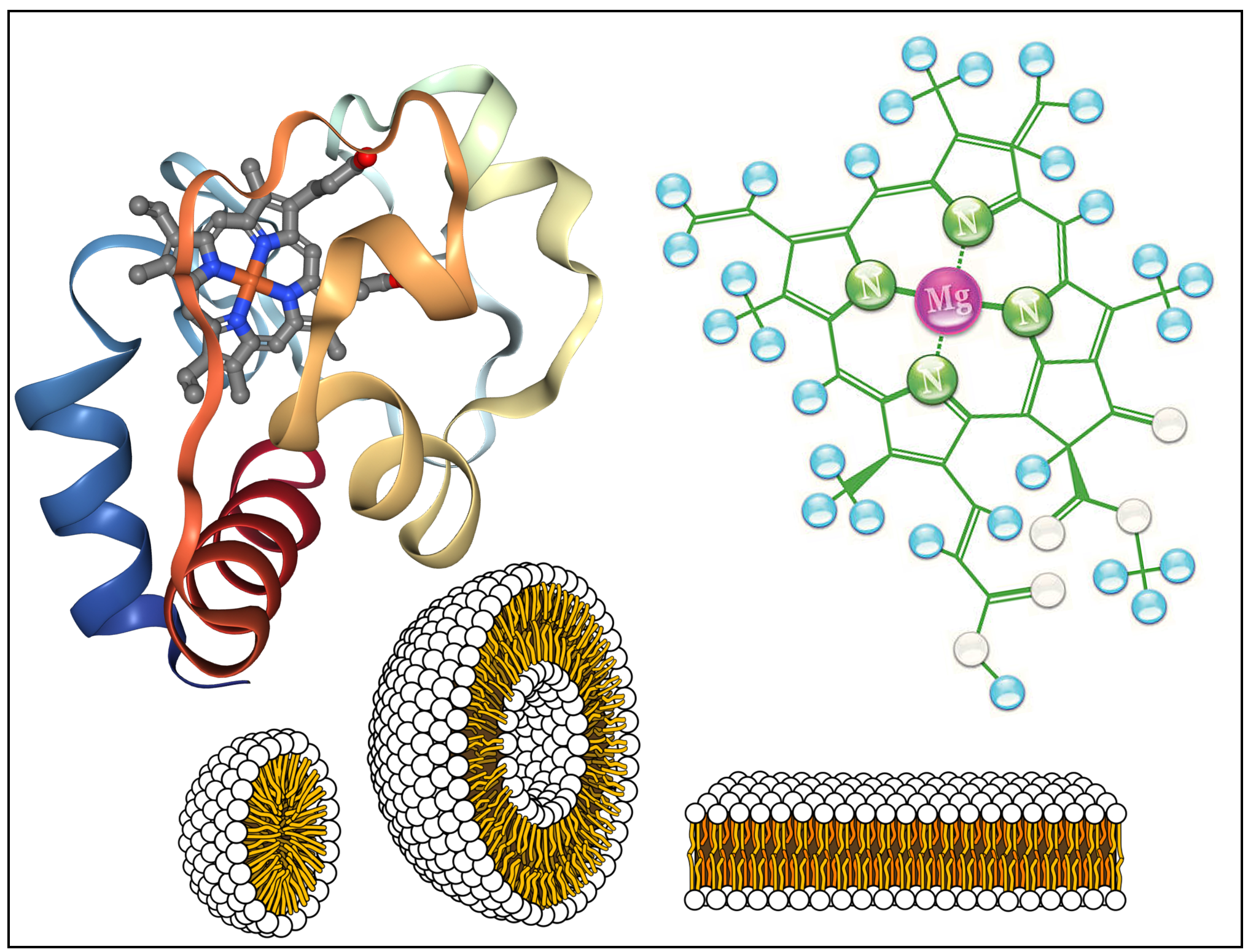
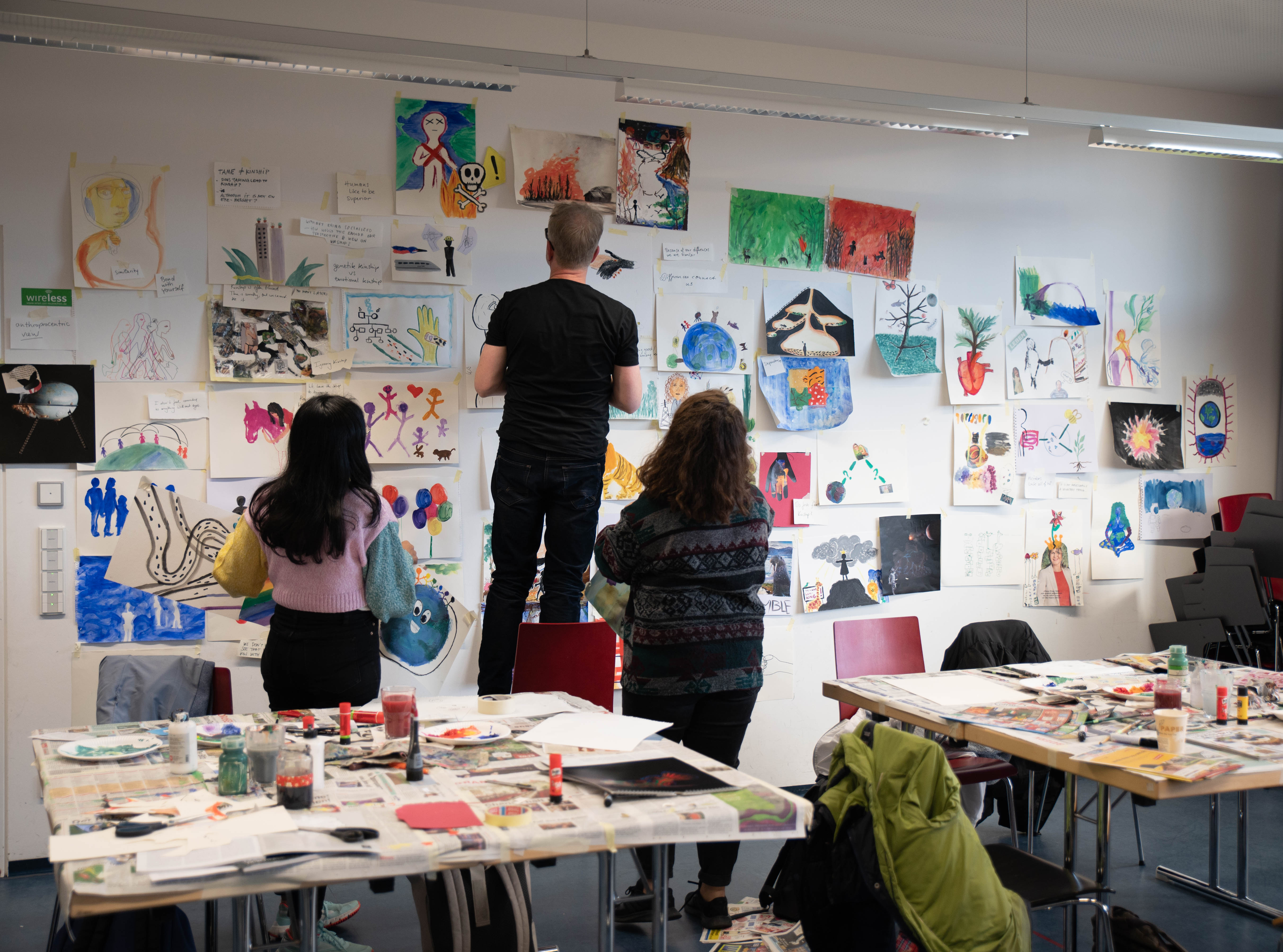
This course aims to provide insight into the biological sciences’ role in society and their contribution to a sustainable world, for example in the conservation and the popularization of biodiversity. To do that, the students will be exposed to multidisciplinary lectures, guided interactive discussions, practical exercise and creative techniques. We will focus on the potential of interacting with other disciplines such as the social sciences and creative communication to reach a broad audience and increase societal impact.” The students will work in groups to explore a specific ecosystem, create a multidisciplinary science-based outreach format which will be publically presented and the impact evaluated.

Die hundertste Wiederkehr des Kriegsjahres 1918 und des darauffolgenden Revolutions- und Weimarer Verfassungsjahres 1919 lenkt den Blick auf eine epochale Zeitenwende der deutschsprachigen protestantischen Theologie. Die politischen und gesellschaftlichen, aber auch die weltanschaulichen und kulturellen Transformationen nach dem Ende des Ersten Weltkriegs forderten die damaligen theologischen Lager zu grundlegenden Neuansätzen der Bestimmung von Religion, Christentum und Kirche im Spiegel der tiefgreifenden Krisensymptome der Moderne heraus. Was Protagonisten wie Karl Barth, Paul Tillich, Wilhelm Bousset, Ernst Troeltsch und viele andere in jener Zeit schrieben, bestimmte nicht nur die folgenden Jahrzehnte, sondern ist bis heute grundlegend. Das Proseminar übt das wissenschaftliche Arbeiten und Denken anhand theologischer Klassiker der Jubiläumsjahre 1918/1919 ein und diskutiert die Aktualität der darin begegnenden Grundfragen systematischer Theologie.
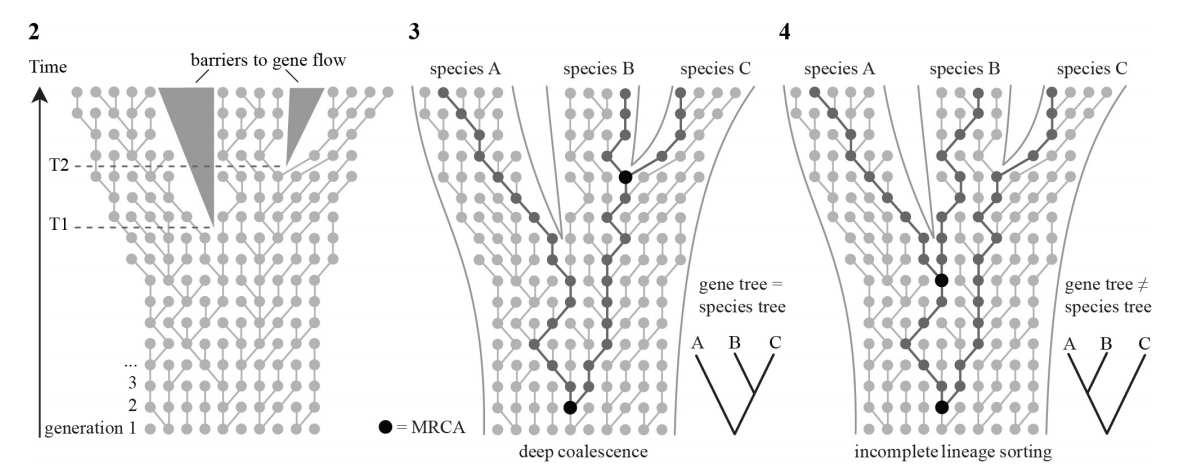
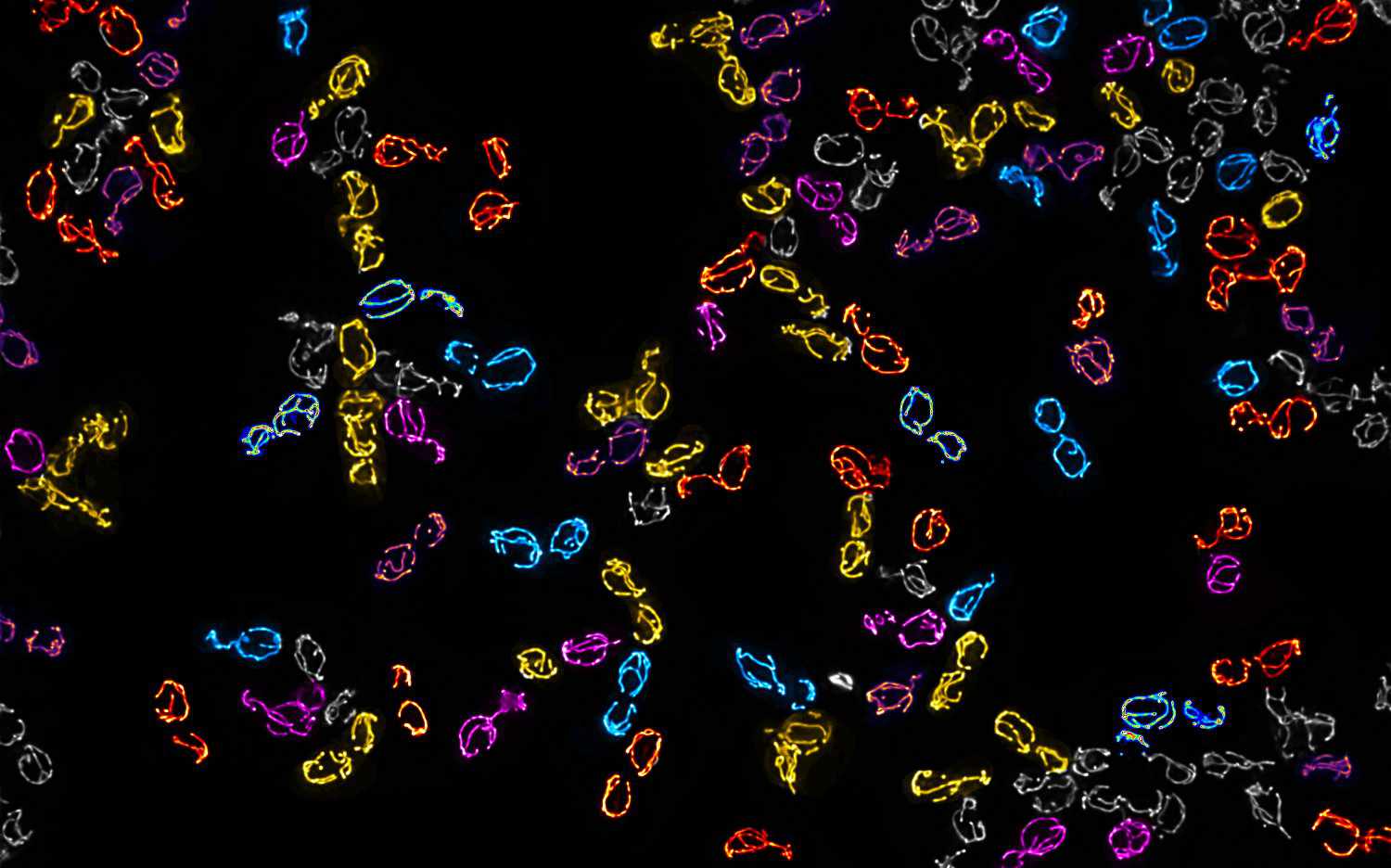
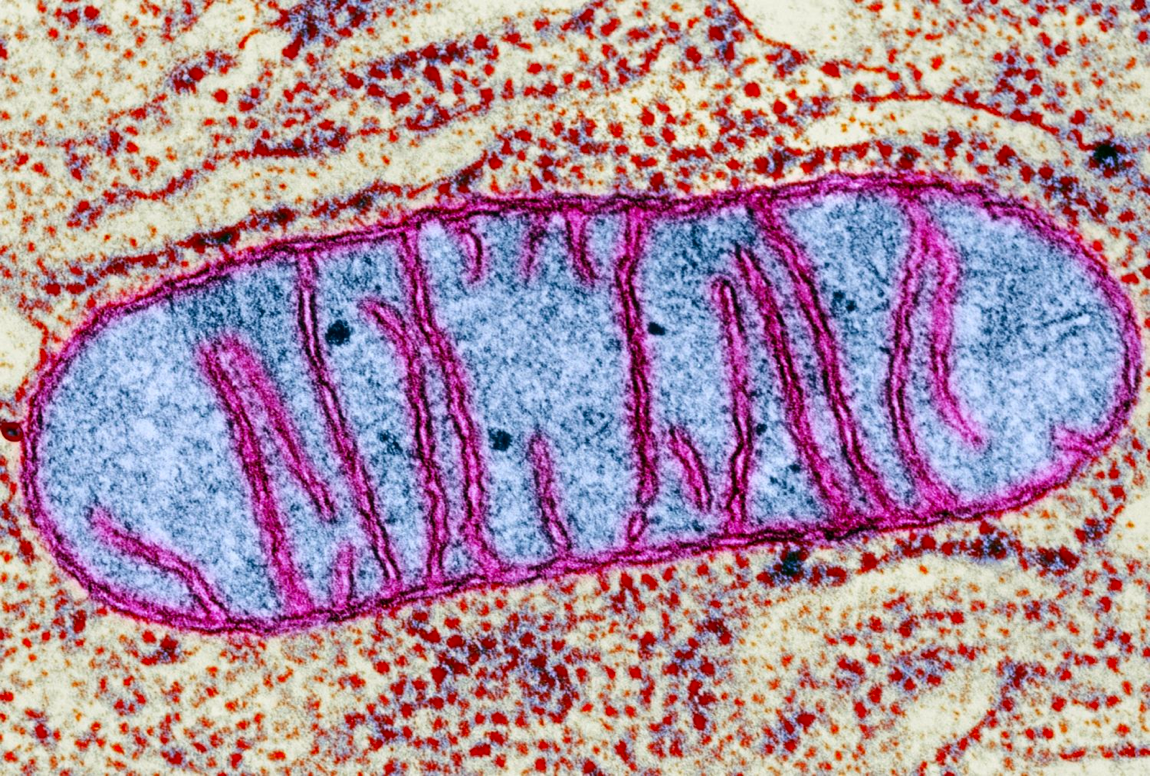
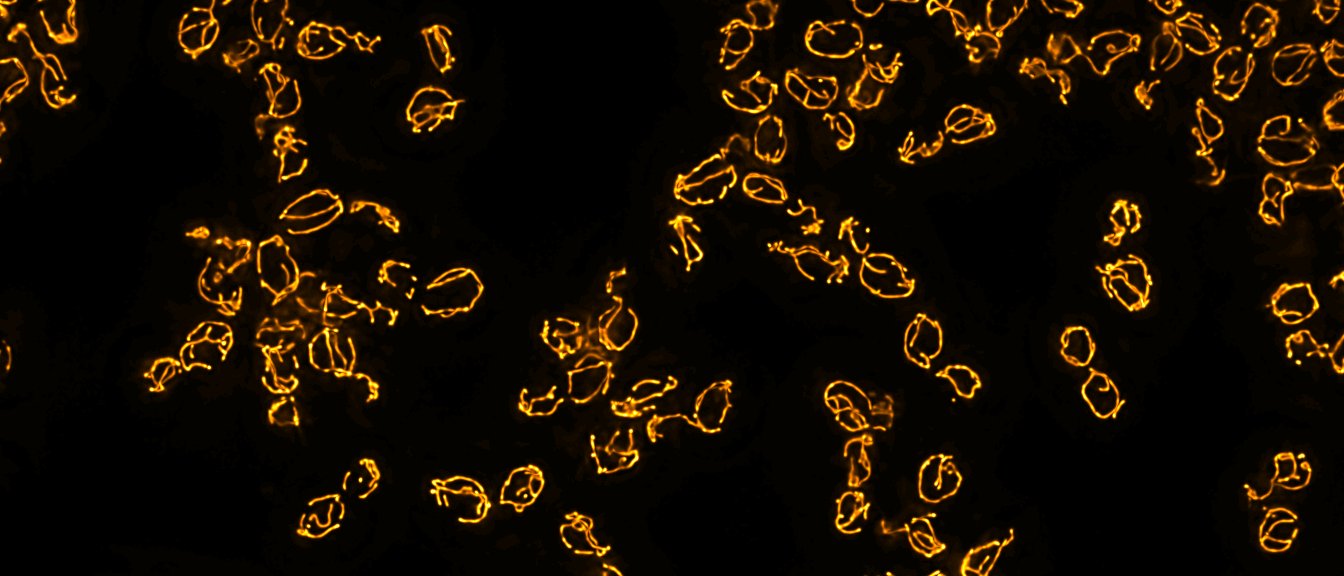
This lecture series takes you into the fascinating world of mitochondria. Keeping track of the latest research, we will explore the many functions of mitochondria and the sophisticated cellular processes that keep mitochondria in a functional state. Furthermore, we will discuss how mitochondrial dysfunction affects health and disease.
Inhalt
Dieses Modul präsentiert und veranschaulicht grundlegende Konzepte in
der Ökologie und der Evolutionsbiologie. Im Teil Ökologie, beleuchtet es und integriert es die Prozesse, über
verschiedene Organisationsebenen: Individuen, Populationen, Arten und
Gemeinschaften. In der Vorlesung werden die Zusammenhänge zwischen
diesen Ebenen der biologischen Komplexität untersucht. Die Studierenden
lernen, wie die jeweiligen Stufen von der Umwelt beeinflusst werden.
Im Teil Evolution gewinnen die Studierenden einen Überblick über evolutionäre Prozesse und deren Zusammenhänge. Sie lernen diese Prozesse auf verschiedenen räumlichen und zeitlichen
Skalen zu verknüpfen und die Bedeutung ökologischer Prozesse für
evolutionäre Dynamiken zu verstehen. Die Studierenden erhalten Einblick in die Prinzipien, die der Geschichte
des Lebens auf unserem Planeten zugrunde liegen. Sie lernen moderne
evolutionstheoretische Konzepte kennen und können diese historisch
einordnen. Sie können Erklärungsansätze zu grundlegenden Fragen der
Evolutionsbiologie zur Artbildung, Kooperation und geschlechtlicher
Fortpflanzung wiedergeben. Die theoretischen Inhalte der
Vorlesung werden anhand ausgewählter Beispiele in drei Übungen praktisch vertieft.
Content:
Due to the widespread usage of fluorescence microscopy techniques, image analysis methods have become standard tools for modern biologists. Among these methods, image deconvolution is a powerful technique to remove blur and enhance contrast and resolution that can be applied to nearly all fluorescence images.
In this hands-on workshop, we will acquire confocal and STED images of a biological sample and apply different image deconvolution algorithms to the acquired data. We will study how the different algorithms work and implement some of them step by step. On the one hand, this process will give us the opportunity to gain valuable practical experience in image deconvolution and image analysis; on the other hand, we will understand in greater detail how an image is formed in a fluorescence microscope and how noise and artifacts can influence our results. If time allows, we will also cover recent developments in which deep-learning-based context-aware image restoration has been applied to fluorescence microscopy data to remove the noise and enhance spatial resolution.
Learning Outcome:
After the seminar, the students will be familiar with the state-of-art deconvolution methods that can be applied to fluorescence microscopy. Through practical work, each participant will gain hands-on experience in image deconvolution and quantitative image analysis.
Background:
This course assumes prior knowledge about fluorescence microscopy and at least some prior experience in programming. The course works well with the practical course on Bioimaging and/or the practical on Image analysis with Python.
Content:
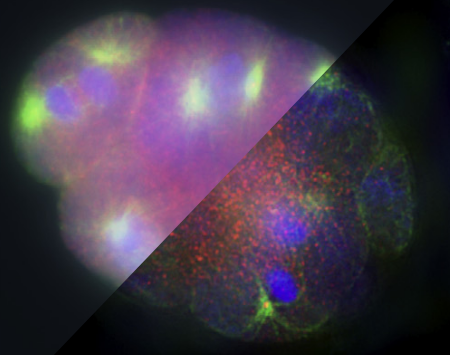
The regulation of transcription is a central process of biology for which, despite decades of study, a detailed mechanistic understanding is still missing. In recent years an exciting quantitative revolution has been underway in this research field, offering an excellent example of the potential of interdisciplinary research. In this seminar, we will discuss recent publications in this research field: starting from the simpler case of transcriptional regulation in bacteria, we will see how quantitative fluorescence microscopy methods allowed researchers to visualize the central dogma of molecular biology as it unfolds in a living cell, one molecule at a time. We will see how biophysical models have been used to interpret quantitative data, creating mathematical models that are both descriptive of the underlying molecular mechanisms and able to establish a quantitative link between genotype and phenotype. We will then move on to see what challenges arise, both experimentally and in terms of mathematical modelling, when one tries to extend the approaches used in bacteria to study transcriptional regulation in eukaryotes with a focus on Drosophila blastoderm segmentation.
Learning Outcome:
By presenting and discussing examples from the recent literature, the students will get an overview of the recent interdisciplinary research at the interface between physics and biology in the field of transcriptional regulation. After the seminar, students will be familiar with the state‐of‐the‐art biophysical methods to study transcription and understand the basics of thermodynamic models of gene regulation.
Die Veranstaltung beschäftigt sich schwerpunktmäßig mit folgenden Themenkomplexen:
- Was ist guter RU?
- Entwicklungslinien des RU
- Konzeptionelle Entwürfe des RU
- Religionsdidaktische Prinzipien
- Begründungen für öffentliche Auseinandersetzung mit Religion
- Begründungen für religiöse Bildung in der Schule
- Aktuelle Organisationsformen des RU
Das Fach "Religionsunterricht" spiegelt wie kaum ein anderes Unterrichtsfach soziokulturelle Entwicklungen und gesellschaftspolitische wie kirchliche und theologische Veränderungen wider. Theologische Fragestellungen und Antwortversuche sowie die Fragen, was und wie Schüler:innen lernen sollen, um ihr Leben selbstverantwortet und weltoffen zu gestalten, markieren katalysatorische Effekte für die Konzeption eines innovativen, schüler:innennahen und theologiekonstruktiven Religionsunterrichts.
In der Vorlesung geht es darum, verschiedene Entwicklungslinien darzustellen, die den Religionsunterricht in den verschiedenen Phasen seines Bestehens kennzeichneten und sie daraufhin zu befragen, was sie an Sinnstiftendem und Engführendem einbrachten und für heute zu denken geben.
Im zweiten Teil der Vorlesung sollen unterschiedliche religionsdidaktische Prinzipien reflektiert werden wie z. B. Korrelierendes Lernen, ästhetisches Lernen, Lernen mit Symbolen etc. sowie aktuelle Trends in der Religionsdidaktik für eine heutige Gestalt von Religionsunterricht auch anhand von Beispielen fruchtbar gemacht werden.
Der dritte Teil der Vorlesung widmet sich der Diskussion von Organisationsformen eines zukunftsfähigen Religionsunterrichts.
Die Teilnehmer:innen werden im Zuge des Seminars in ihren Praktikumsschulen besucht und erhalten Rückmeldung zu einem ihrer Unterrichtsversuche.
Bemerkungen:
Alle Studierenden, die in der vorlesungsfreien Zeit im Anschluss an das Wintersemester 2025/2026 ihr Blockpraktikum im Bereich berufsbildende Schulen absolvieren möchten, melden sich bitte zu dieser Veranstaltung an.
Vorbesprechung des Praktikums: Dienstag, 21.10.2025; 08:30 Uhr im Raum C205
Durchführung des Praktikums: 3 Wochen zwischen Februar 2026 und April 2026
Diese Übung begleitet das Seminar/die Vorlesung Religionsdidaktik I und das Seminar/die Vorlesung Religionsdidaktik II. In der Übung werden die Inhalte von Religionsdidaktik I und II vertieft, veranschaulicht und mit Blick auf Unterrichtsentwürfe und Staatsexamensprüfungen konkretisiert.
Mathematik I (Physik)
Einschreibeschlüssel: 25WSM1
Einschreibeschlüssel: 25WSSDM
In diesem Kurs finden Sie alle Folien der Vorträge zum Auslandsstudium sowie den Link zum Podcast.
Bored of yet another journal club? Do you like arts and creative formats? Do you want to learn how to communicate science to the public? Then this is your seminar! This seminar deals with challenges, developments, and possible solutions to aspects of sustainable food production from a quantitative biology perspective. The results of our joint research will be presented in the format of a science slam (after several rounds of training and a formal introduction to “science slams”).

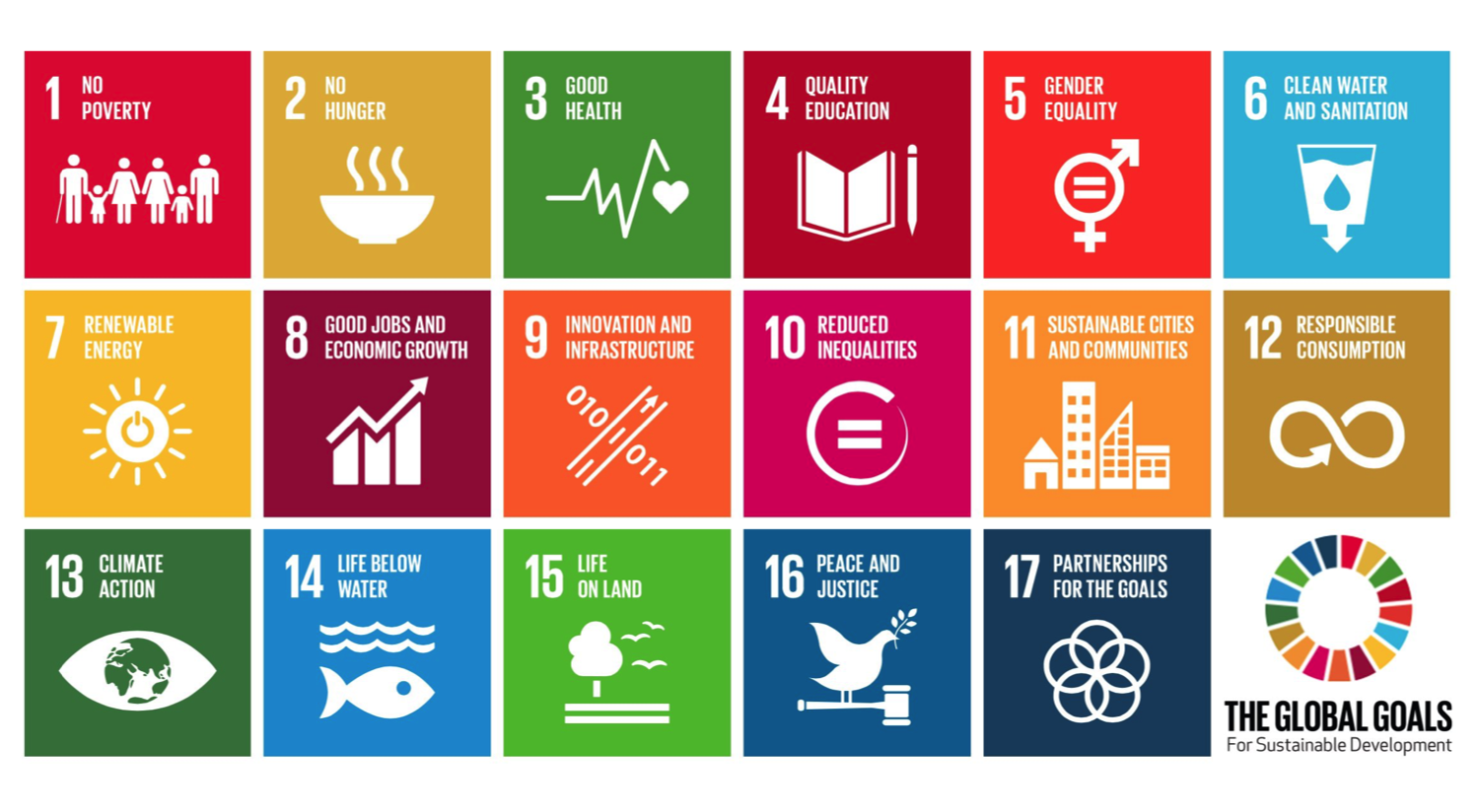
Please sign up for the lecture by self enrollment using the enrollment key "SDGs".
This lecture will be a flipped class room interactive lecture. The red threat of the lecture are the Sustainable Development Goals of the United Nations with a focus on plant-microbe interactions. Every lecture is composed of iterated units that follow this scheme:
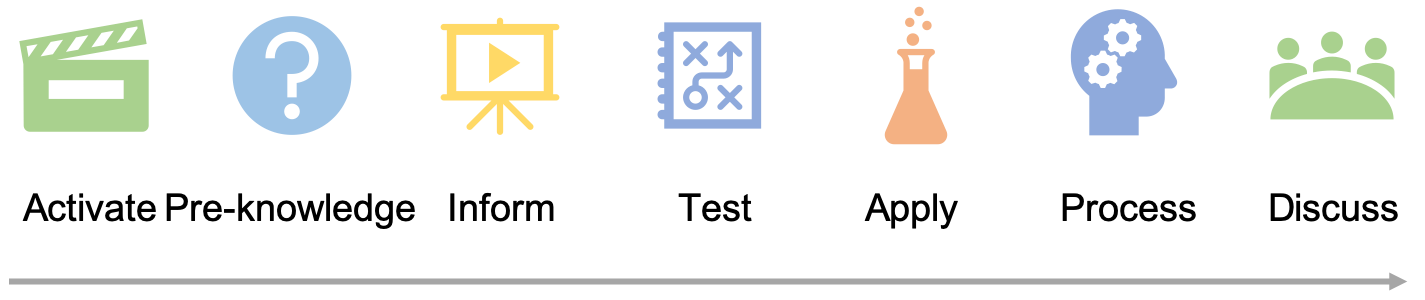
The lecture series will be opened on Monday, 20th of April. Every other Monday, the next lecture will follow.
Bests, LMU Genetics
Seminar How to enGENeer plant immunity
Over the past decades, significant progress has been made in understanding the molecular mechanisms that govern plant immunity. Researchers have uncovered key immune receptors, signaling pathways, and defense molecules that enable plants to recognize and respond to pathogens. However, many crop varieties initially bred for resistance to specific pathogens have lost their genetic protection over time, making them increasingly vulnerable to disease outbreaks. This highlights the urgent need for innovative approaches to enhance and sustain plant immunity.
In this seminar, we will explore how cutting-edge strategies can translate fundamental knowledge into practical solutions for engineering disease-resistant crops. Topics will include boosting plant immune responses, expanding immune receptor repertoires, and deleting susceptibility genes to enhance resilience against pathogens. Understanding, presenting and discussing the most recent research is used to gain knowledge on the state-of-the-art methodologies and recent theoretical perspective of engineering plant immunity.
The seminar requires that students select one topic and present it to all students in the form of an oral presentation and moderate the subsequent discussion. A key literature publication is selected by the student, which should be presented in detail together with additional relevant literature for background knowledge.
The selected key literature must be read by all participants. All students have to be prepared for each topic with at least two questions and actively contribute to the discussion. Credits depend on attendance to the seminar and active participation is required.
Our seminar wrap-up will focus on the Top unanswered questions in the field of plant-microbe interactions. Please identify your main unanswered question and why you think this should be addressed in future studies. We will discuss each question and identify our Top 1!
A basis for this seminar is the lecture "Plant Innate Immunity".

Lecture Plant Innate Immunity Mondays from April 28th through July 21st.
The aim of this lecture is
the comparative elucidation of molecular principles that enable eukaryotic host
cells to control microbial infections. We will discuss everything from genetic
aspects of pattern evolution to structural aspects in receptor-ligand binding
to biochemical aspects of kinase signalling that all contribute to host
adaptation and are key for immunity. While we focus on plant-microbe
interactions, you will see that there are common principles that have evolved
in most eukaryotic systems.
Skills

Practical course Plant Innate Immunity June 24th through July 04th
This combined practical course and seminar will be delivered in-person.
The course "Plant Innate Immunity" will address two important biological questions:
1) What is the genetic distribution of MAMP recognition systems across the plant kingdom? And what are the genetic components of plant immunity that can be utilised in agriculture?
2) What are the genetic components of pattern-triggered immunity (PTI) missing in mutants of the model system A. thaliana? And what are the genetic components pathogens use to suppress plant immunity?

For students of Biology, Biochemistry and Medicine.
Time: Wednesdays, 17:00-18:30
Location: GH9-NB 00.005 BMC Großhaderner Str. 9, 82152 Planegg-Martinsried
Lecturers: Thomas Brocker, Vigo Heissmeyer, Ludger Klein, Jan Kranich, Anne Krug, Reinhard Obst, Anneli Peters, Barbara Schraml
This seminar will look at central publications in Immunology and will follow the topics of the Immunology II
lecture (7C0731). The class requires reading of one or more papers per
week and the preparation of visualizations of experiments and whole
papers to be presented in class.
The class will take place as a live seminar. Credit will only be given if participants are absent in no more than two classes and two assignment submissions.
Time: Mondays 12:30 - 14:00
Lecturers: Thomas Brocker, Vigo Heissmeyer, Ludger Klein, Jan Kranich, Anne Krug, Reinhard Obst, Anneli Peters, Barbara Schraml
For students of the master programs in Biology and Biochemistry and students of Medicine (3 ECTS).
Einschreibeschlüssel für alle Studierende Bayerns offen: LMU2024
🎮 Scratch-Projekt:
Spiel-Intros programmieren und erklären
Ihr entwickelt in festen Teams ein animiertes Intro für ein Scratch-Spiel.
Ein 🐸 springender Frosch oder vielleicht ein 🐉 fliegender Drache?

 Do., 10-12 Uhr (Ludwig 28, RG 122)
 Do., 10–12 Uhr (Ludwig 28, Rgb 122)
Zum Einschreibeschlüssel (Eingabe der LMU-Kennung erforderlich)
Prof. Dr. Klaus-Dieter Drüen
Die Vorlesung Abgabenordnung findet in der zweiten Semesterhälfte statt.
Die genauen Termine werden noch bekannt gegeben.
This course presents and analyses financial options, such as European options and American options. Students will learn how to price options using the binomial option pricing technique as well as the Black-Scholes option pricing formula. Risk-neutral probabilities will be introduced. This course also discusses risks related to commodity prices, exchange rates as well as interest rates, and studies how to manage/hedge such risks. The efficient portfolio choice problem and the Capital Asset Pricing Model will be recapped at the beginning of the course.
All lectures and tutorials are recorded and uploaded to LMUcast. You can access the course material here.
Questions can be either asked via Moodle or Email at kontakt.risk@bwl.lmu.de.This course presents and analyses financial options, such as European options and American options. Students will learn how to price options using the binomial option pricing technique as well as the Black-Scholes option pricing formula. Risk-neutral probabilities will be introduced. This course also discusses risks related to commodity prices, exchange rates as well as interest rates, and studies how to manage/hedge such risks. The efficient portfolio choice problem and the Capital Asset Pricing Model will be recapped at the beginning of the course.
All lectures and tutorials will be recorded (live) and uploaded to LMUcast.
Lecture (Martin Reinke):
Tutorial (Mareike Worch):

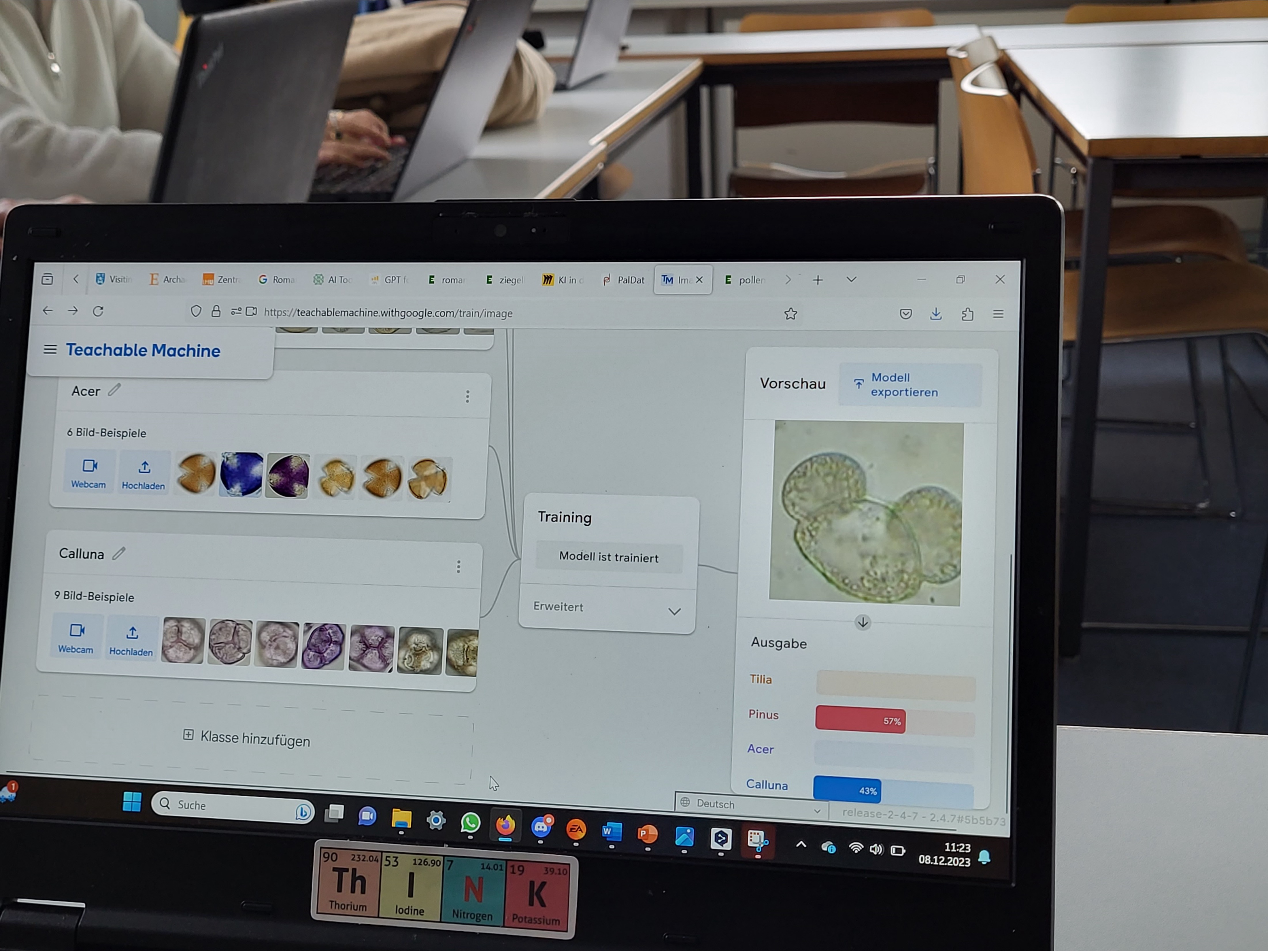
The rapid development of generative AI and machine learning (ML) technologies since 2017 has revolutionized not only industries but also offers immense opportunities for archaeology and cultural heritage management. With the help of no-code and low-code applications, even individuals without programming skills can utilize AI-based tools to make workflows more efficient and develop innovative projects. This seminar focuses on a user-centric approach, aiming to improve individual productivity and identify practical use cases that could eventually evolve toward autonomous AI agents.

 Mo.,
Mo.,